





The whole point of mitigation is to stop the damage from growing. Do not confuse it with rebuilding. It is everything done before the repair to protect what is still sound. Our Elk Grove crew mitigates a loss in four moves: control the source, extract the water, contain the wet zone and stabilize the building. When this stage goes right, there is less to rebuild afterward, occasionally nothing at all.
Many homeowners treat restoration and mitigation as one and the same. Each is its own phase of the job. During mitigation, the urgent part, the loss is halted, its spread is limited and the home is made stable. Afterward comes restoration, when dryness is verified and ruined flooring, drywall and finishes get fixed or rebuilt. Because an insurer lists each one separately as well, knowing where you stand in the process is helpful.
Four tasks make up most mitigation visits. First is source control, which keeps more water from coming in. Two: extract whatever water is standing. Containment, using plastic barriers and controlled airflow so moisture and contaminants stay out of clean rooms. Fourth is stabilization: unsalvageable materials come out, surfaces receive antimicrobial treatment, and dehumidifiers and air movers are placed. Furniture and personal items are protected too, either relocated or raised on blocks.
Your Water Damage Mitigation Questions Answered
Need Help With Water Damage Mitigation?
Get a free estimate from our expert team today.
Call (612) 464-8281 TodaySigns It Is Time for Water Damage Mitigation
Catching these issues early helps you avoid costly problems and protect your property. Here are the most common indicators that it's time to call a professional:
- A plumber fixed the pipe but nobody has dealt with the water.
- Water went beneath kitchen or bath cabinets, out of reach of towels and fans.
- One day on, damp materials are beginning to smell musty.
- The leak is fixed, yet cabinets, walls or flooring remain wet.
- The insurance company instructed you to take reasonable action against further damage.
- Underfoot the carpet is spongy because the padding below holds water.
- Windows keep fogging and the air feels humid days after the water loss.
Early Action Saves Money
What seems like a minor issue today can turn into a major expense tomorrow. If you notice any of these signs, contact Elk Grove Restoration at (612) 464-8281 for a prompt evaluation.
Water Damage Mitigation, Step by Step
We follow a proven process to ensure every job is completed to the highest standards. Here's what you can expect when you choose Elk Grove Restoration:
Stop the Water Source
Depending on the cause, our crew closes the supply, caps a failed line, or covers the entry point with tarps and boards. Should a lasting fix require a plumber or a roofer, our team coordinates when that happens.
Extract the Water
Pumps and extractors take out the standing water, and we inspect the carpet and pad. Getting bulk water out quickly does more to limit damage than any amount of drying equipment alone.
Set Up Containment
Plastic barriers and controlled airflow separate wet rooms from dry ones. As a result, contaminants, dust and humid air stay put instead of spreading around the house mid-job.
Stabilize the Structure
We remove what cannot be saved, treat surfaces with antimicrobial, and place dehumidifiers and air movers. Moisture readings are recorded on every visit until the structure can be repaired, typically in 3 to 5 days.
Maintenance Tips for Water Damage Mitigation
Taking preventive measures can help you avoid costly water damage issues down the road. Here are our expert recommendations:
- Schedule an annual water heater inspection and swap the unit out before its tank gives way.
- Slope the soil away from the house so rainwater does not pool against the walls.
- Trade rubber washer hoses for braided steel, and renew them roughly every five years.
- Install an automatic shutoff valve that closes the main when a leak is detected.
- Seal gaps around windows, doors and roof penetrations before the next heavy rain arrives.
- Downspouts should empty well clear of the foundation, and gutters need to stay free of debris.
Not Sure What You Need?
Call Elk Grove Restoration to discuss your water damage mitigation needs with a IICRC-certified technician.
Call (612) 464-8281 TodayCan You Handle Water Damage Mitigation Yourself?
Some simple tasks are suitable for DIY, but most water damage work benefits from professional tools, training, and experience. Here's a comparison:
| Factor | DIY Approach | Professional Service |
|---|---|---|
| Proof for insurer | Some pictures on your phone | Daily moisture logs and photo record |
| Contaminated water | Wiping obvious spots with bleach | Antimicrobial matched to water category |
| Isolating wet rooms | Closed doors and towels | Airflow control behind sealed plastic |
| Knowing when it is dry | Touch test on the surface | Moisture tracked until numbers are normal |
| Material decisions | Judging by look and feel | Meter data drives each removal |
What a Professional Brings to Water Damage Mitigation
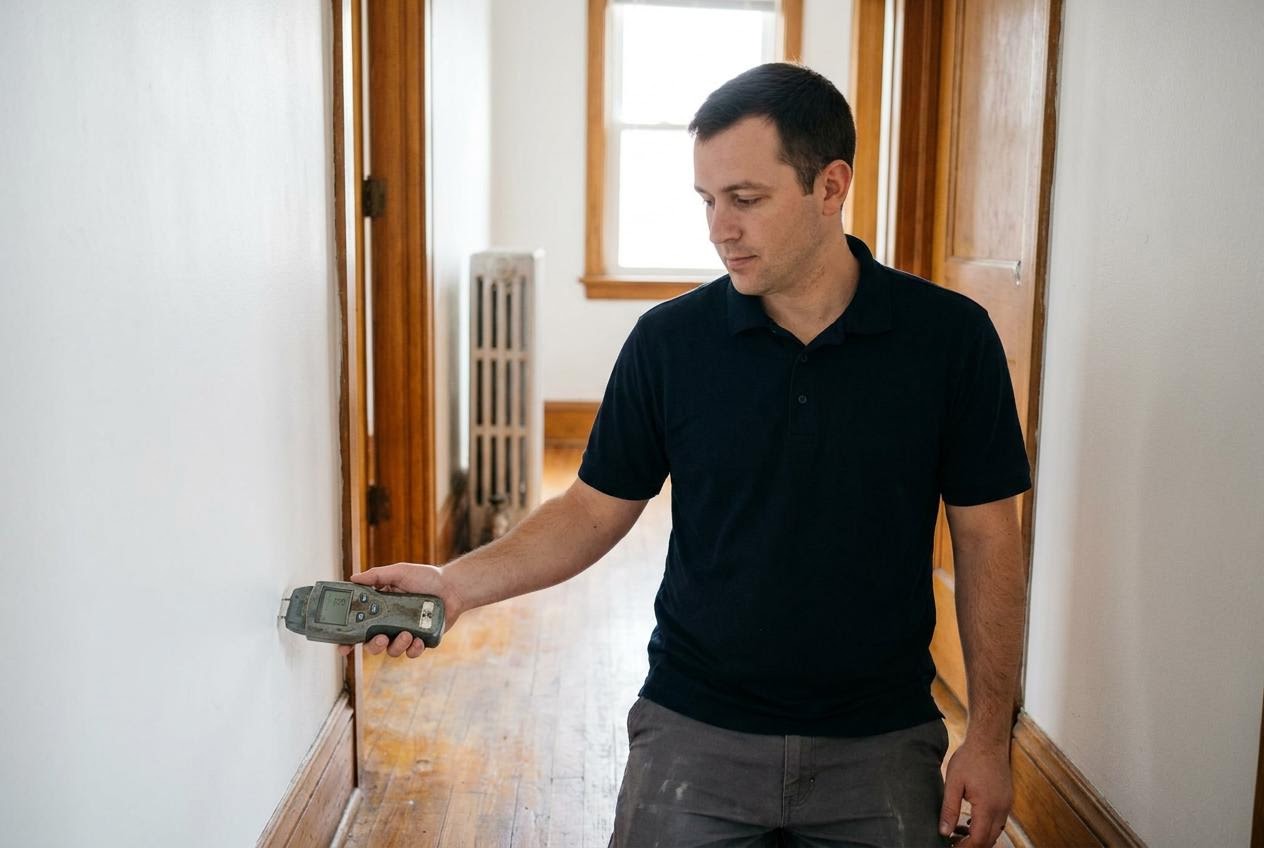
Mitigation is a series of judgment calls made quickly. What drywall stays and dries where it is, and what must be removed? Has the water shifted category since the leak started, and is it Category 1, 2 or 3 now? Does the cabinet toe kick need to come off? We answer those questions with training and moisture readings rather than by the look or feel of a surface.
Good mitigation also protects your claim. Under most policies you must act reasonably to keep the damage from growing, with proof that you did. Arrival photos, daily moisture readings and an inventory of removed materials all go into our records. Together those records show the water's effect and our response to it. It also gives the repair contractor a clear starting point, with no wet surprises behind new drywall.
Schedule Your Water Damage Mitigation Service
The sooner you call, the sooner we can help. Reach Elk Grove Restoration for same-day service.
Call (612) 464-8281 Today